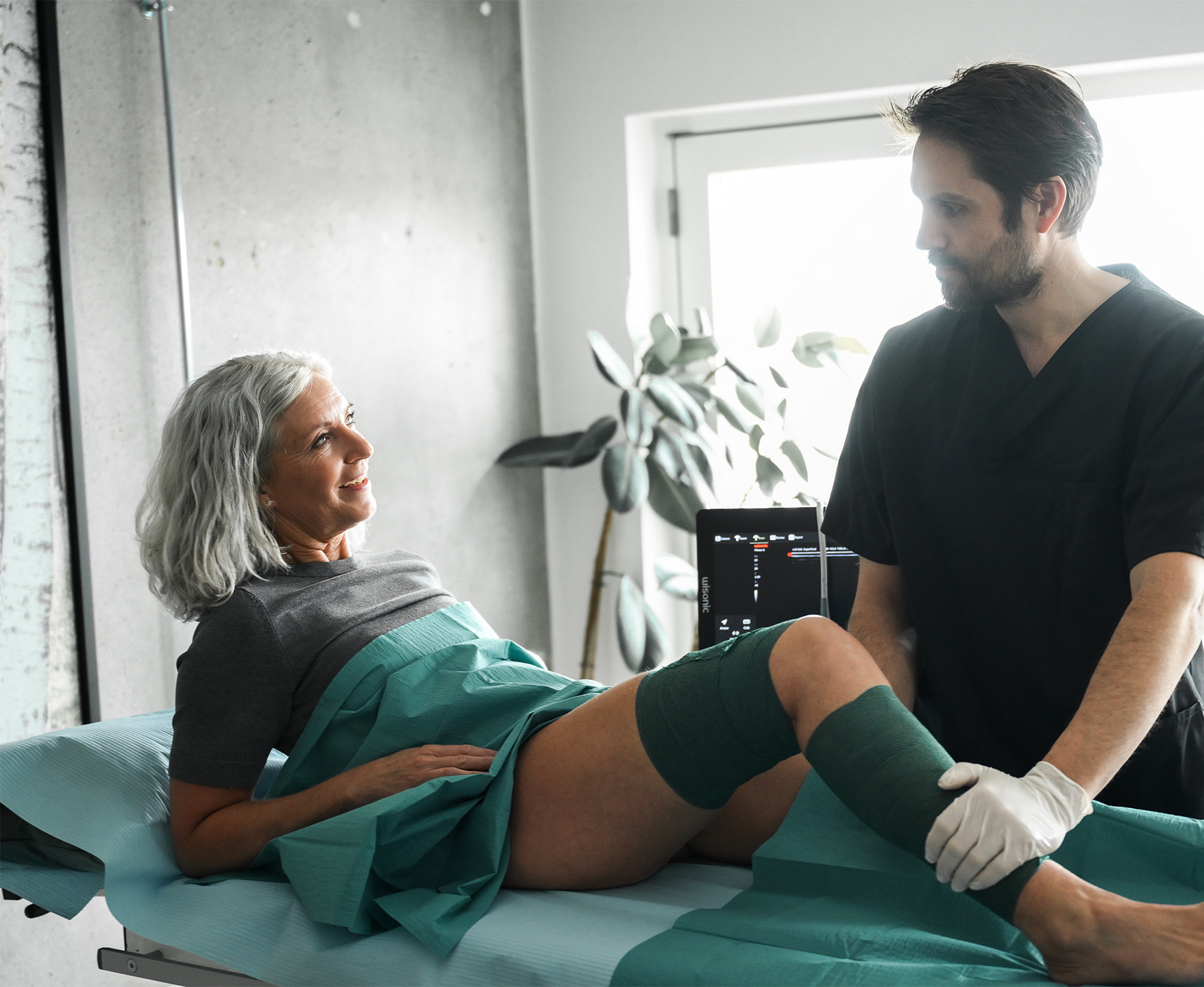
Varicose veins procedures

Avulsions / Phlebectomies

Avulsions (also known as Phlebectomies), is a highly effective procedure for treating varicose veins. This procedure is particularly effective for larger, more prominent varicose veins that may not respond to other less invasive treatments.

Benefits of Avulsions / Phlebectomies

There are several benefits to treating varicose veins with avulsions / phlebectomies like long-lasting results, low risk of complications, walk-in walk-out treatment and enhanced cosmetic appearance . However three main benefits of avulsions are as follows:

  • Targeted Treatment
  • Minimally Invasive
  • Effective Results

Targeted treatment

This procedure allows for the precise removal of specific, problematic varicose veins. It is especially beneficial for larger veins that are not suitable for other treatments like sclerotherapy.

Minimally invasive

Unlike traditional vein stripping, Avulsions are minimally invasive. The procedure involves small incisions, resulting in less tissue damage, minimal scarring, and a quicker return to daily activities.

Effective results

Avulsions provide long-term relief from the treated varicose veins, with a low likelihood of recurrence in the treated areas.

Many patients experience immediate relief from symptoms such as pain, swelling, and discomfort in the legs following the procedure. This can significantly improve daily comfort and quality of life

The procedure

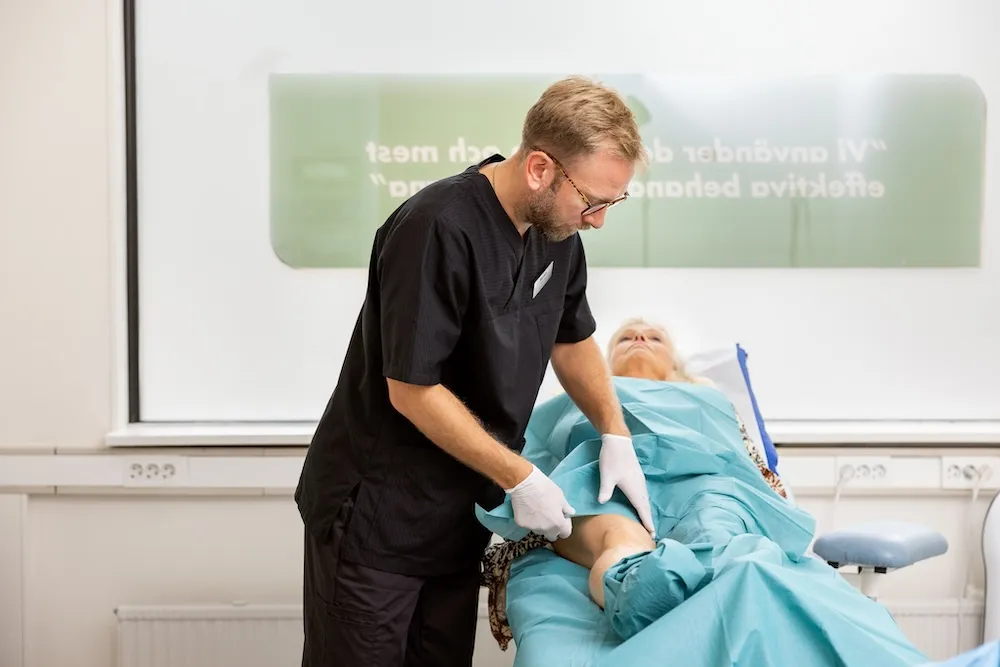
  1. Preparation: Local anaesthesia is applied to the treatment area to minimise discomfort.
  2. The Process: Small incisions are made over the varicose veins, and special tools are used to gently remove the affected veins.
  3. Closure and Recovery: Incisions are small and typically do not require stitches; they heal naturally with minimal scarring. Recovery time is relatively short, and most patients can resume normal activities shortly after the procedure.

Frequently

asked questions

Find answers to all of your questions regarding varicose veins and thread veins.
What causes varicose veins?
keyboard_arrow_down
Varicose veins are often caused by weak or damaged vein walls and valves. Factors like age, genetics, obesity, pregnancy, prolonged standing or sitting, and hormonal changes can contribute to their development.
Who gets varicose veins?
keyboard_arrow_down
About thirty percent of all people suffer from varicose veins at some point in their lives. Varicose veins are hereditary, so if one of your parents has had varicose veins, you are genetically predisposed to developing varicose veins yourself.
Are varicose veins just a cosmetic issue?
keyboard_arrow_down
While varicose veins can be a cosmetic concern for many, they can also cause discomfort and lead to complications like skin changes, ulcers, and an increased risk of blood clots.
Can lifestyle changes prevent varicose veins?
keyboard_arrow_down
Lifestyle changes such as regular exercise, maintaining a healthy weight, elevating your legs, and avoiding long periods of standing or sitting can help reduce the risk and alleviate symptoms of varicose veins.
What are the symptoms of varicose veins?
keyboard_arrow_down
Symptoms include bulging, blue or dark purple veins, aching, heaviness, swelling, itching, and muscle cramping in the legs. In advanced cases, skin changes and ulcers can occur.
Book a consultation
Book a consultation today and let us take care of you.
Get our brochure

Download your free brochure now and say goodbye to your varicose veins

Learn more about UK Vein Care, varicose veins, thread veins, their causes, symptoms and treatment options.
Download now
Pricing

Transparent pricing, no surprises

Get a clear understanding of costs before you commit. We provide straightforward pricing and personalized treatment recommendations based on your needs.

Related articles about varicose veins treatment

Discover the latest treatments, patient experiences, and what to expect with UK Vein Care.
Read more about treatment