Specialised in varicose veins
More than 55,000 treated patients
16 UK clinics · 60 clinics across 5 countries


Medically reviewed by:
Last updated on:
August 14, 2026
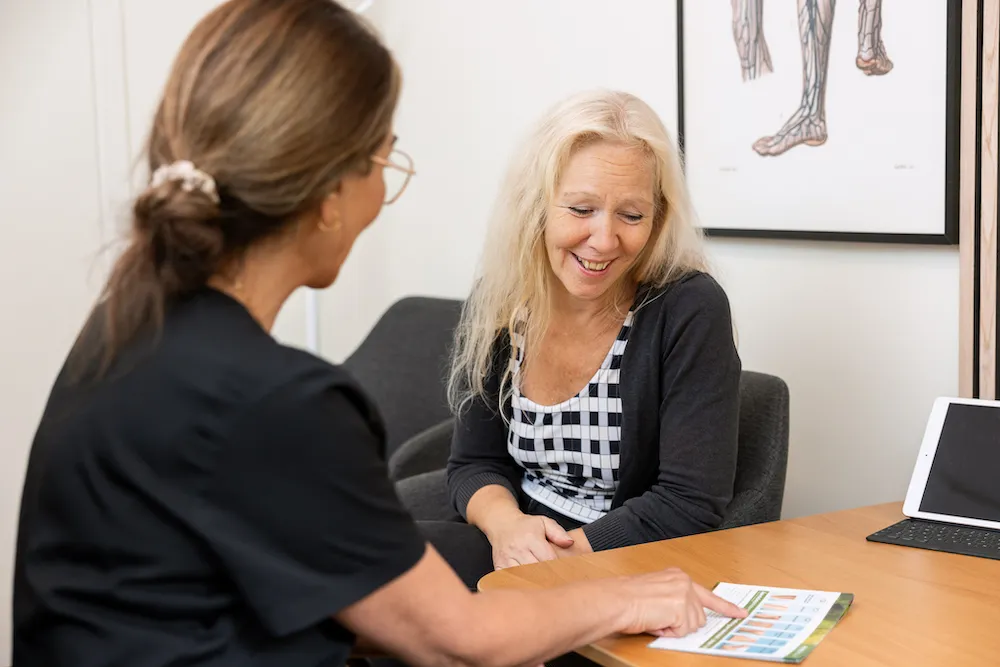
From apple cider vinegar to compression stockings, our consultant vascular surgeons review some of the most common advice shared on social media and explain what is supported by evidence, what may help symptoms and what simply isn't true.
Every week, we meet people who have spent weeks or months trying advice they first saw on TikTok, Instagram, Facebook or YouTube before deciding to book an appointment.
Some tell us they've been applying apple cider vinegar. Others have bought expensive vein creams or collagen supplements. Many have been told to simply "walk more" and assume that if the veins are still there, they've somehow failed.
The problem isn't that social media always gives bad advice.
The problem is that it often fails to distinguish between making your legs feel better and treating the underlying cause of varicose veins.
Some advice is sensible. Some may help relieve symptoms. Some has no convincing scientific evidence behind it. Understanding the difference can help you make informed decisions about your vein health.
This is probably the most common remedy shared online.
The idea is usually that apple cider vinegar improves circulation, reduces inflammation or somehow causes enlarged veins to shrink.
Unfortunately, there is no good clinical evidence that apple cider vinegar can repair the damaged vein valves that cause varicose veins.
Some people say their legs feel better after using it, but that doesn't necessarily mean the veins have changed. Cooling the skin or gently massaging the legs during application may provide temporary comfort without affecting the underlying condition.
Bottom line: There is no evidence that apple cider vinegar removes varicose veins.
Dry brushing has become popular as part of many wellness routines.
Brushing the skin may temporarily increase blood flow near the surface and some people enjoy the sensation afterwards.
However, varicose veins are not caused by poor circulation in the skin.
They develop because blood flows backwards through veins whose valves no longer work properly.
Dry brushing has not been shown to repair those valves or stop varicose veins progressing.
Bottom line: It may feel pleasant, but it isn't a treatment for varicose veins.
Many creams promise to fade, shrink or erase visible veins.
Some provide a cooling effect. Others simply moisturise dry skin.
While these products may make the skin feel more comfortable, no topical cream has been shown to remove established varicose veins.
If a cream could permanently treat varicose veins, it would already be part of national clinical guidelines.
Bottom line: Creams may improve comfort, but they don't treat the underlying vein problem.
Not everything shared on social media is wrong.
Some recommendations are genuinely helpful. The problem is that they're often presented as cures when they really help with symptom management.
Walking is one of the best things you can do for your general health, and it can also help relieve symptoms caused by varicose veins.
Every step activates the calf muscles, which help push blood back towards the heart.
Many people notice less aching or heaviness when they stay active.
What walking cannot do is repair a vein valve that has already stopped working.
That's why patients sometimes tell us:
"I've been walking every day for months, so why are the veins still there?"
The answer is simple.
Walking is helping your circulation—but it isn't reversing the structural changes inside the vein.
Massage can temporarily reduce muscle tension and leave the legs feeling lighter.
Many patients find it relaxing after standing all day.
However, massage cannot repair damaged veins or make existing varicose veins disappear.
If a vein becomes hot, hard, red or particularly painful, you should seek medical advice rather than trying to massage it.
Raising your legs above heart level can reduce swelling and heaviness after a long day.
It's a simple self-care measure that many people find helpful.
The effect is temporary, however. Once you stand up again, the underlying vein problem remains.
Compression stockings are different from many other social media remedies because they do have an accepted role in managing symptoms.
Some people experience noticeable improvements in aching, swelling and heaviness while wearing them.
However, compression stockings do not repair damaged veins or make varicose veins disappear.
They're designed to help manage symptoms—not cure the condition.
The most worrying claim isn't about apple cider vinegar or massage.
It's the idea that varicose veins are only cosmetic.
For many people they are.
For others, they can cause:
If your varicose veins are becoming increasingly uncomfortable or the skin around your ankles is changing colour or texture, it's worth seeking medical advice rather than relying on home remedies.
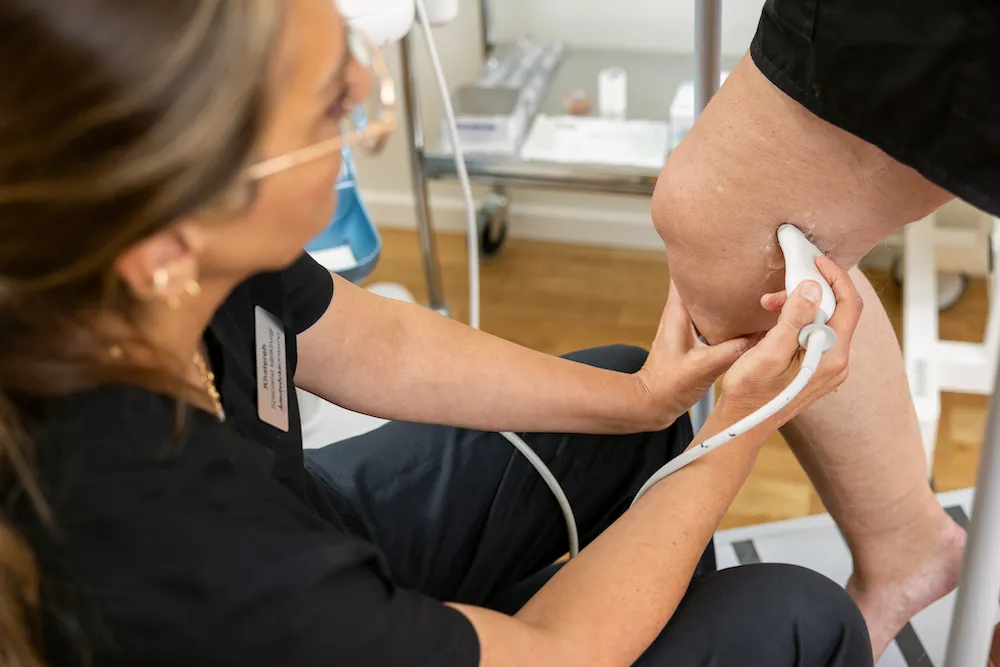
Treatment depends on your symptoms and the findings of a duplex ultrasound scan.
If varicose veins are caused by faulty vein valves, modern minimally invasive treatments may include:
These treatments address the underlying vein responsible for the reflux rather than simply trying to improve symptoms.
This article is based on research and publications from reputable sources to provide you with the most reliable information. Here are some of the main sources used:
Varicose Veins - StatPearls - NCBI Bookshelf
https://www.ncbi.nlm.nih.gov/books/NBK470194/By using these sources, you can be sure that the article is based on current and scientifically reviewed information.

Become varicose vein free: We offer full treatment at a fixed and transparent price regardless of the treatment method. With us, there are no hidden fees.
Learn more about our prices


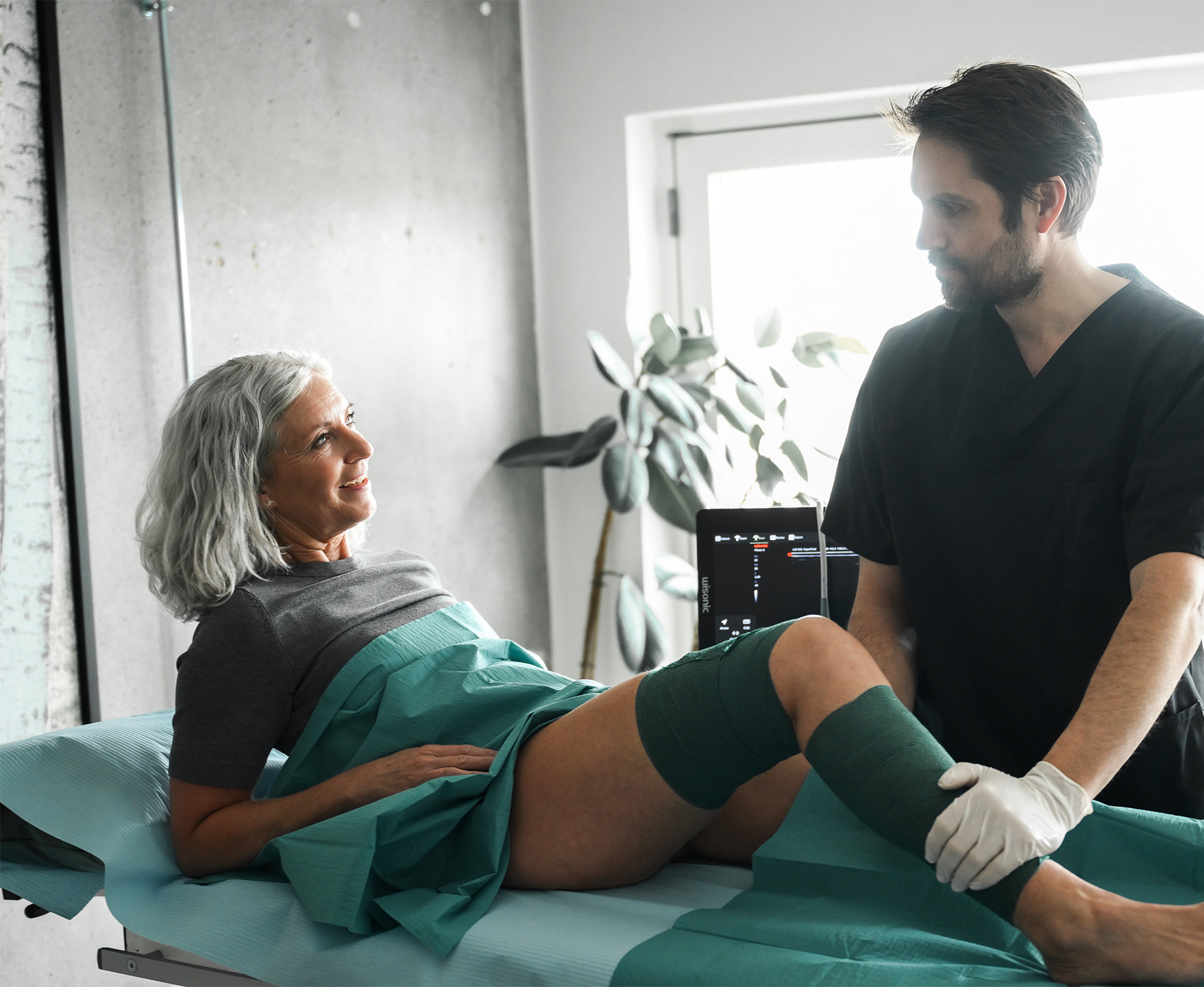
Take our quick self-test to find out if you qualify for varicose vein treatment.


.webp)